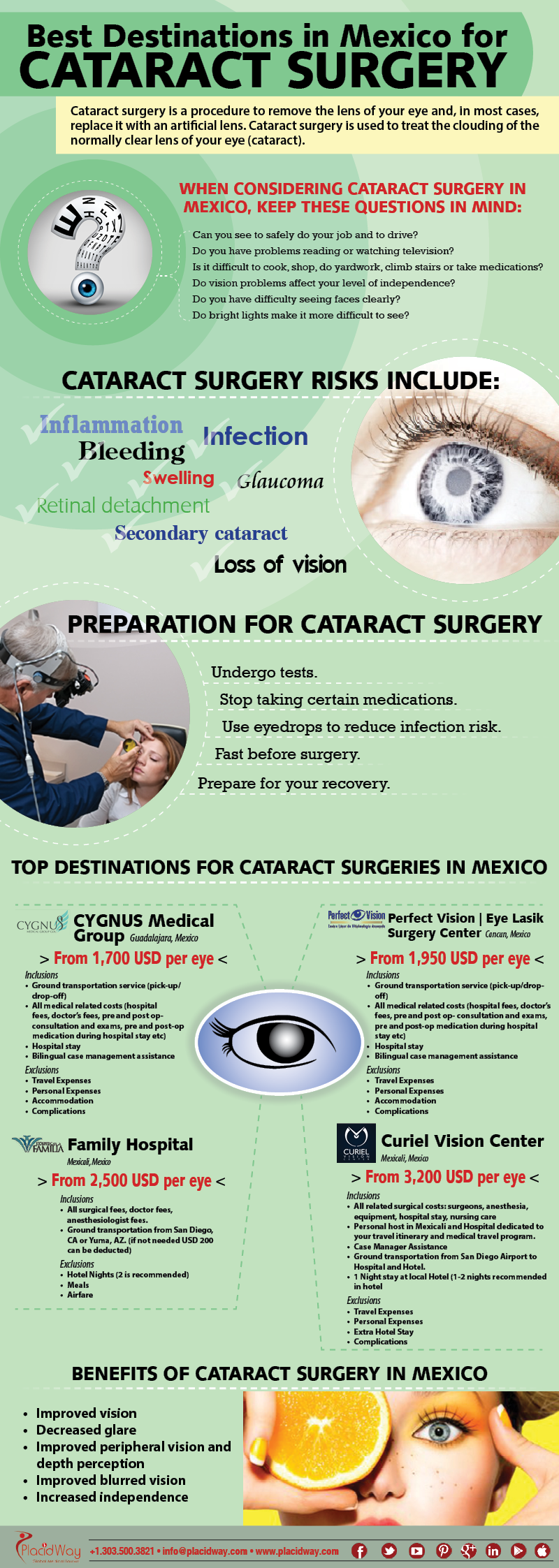
Countless people suffer from blurry sight as they age, impacting their well-being and daily activities. If you find yourself dealing with spectacles or contact lenses, or if cataracts have clouded your vision, lens replacement surgery may offer a life-changing solution. This procedure not only addresses existing vision issues but also offers an opportunity to achieve sharper sight and greater freedom from glasses and contacts.
In this thorough guide, we will examine the various aspects of surgical lens replacement. We will discuss its benefits, including how it can definitively fix problems like age-related vision changes, myopia, and farsightedness. https://www.optometrytimes.com/view/ods-can-fill-need-for-postconcussion-vision-rehab 'll learn about advanced options such as trifocal lenses and light adjustable lenses, and we'll contrast the expenses and long-term outcomes of lens replacement surgery versus other vision correction methods like LASIK. Whether you are more than 45 years old or leading an active lifestyle, this guide aims to give clarity on how lens replacement could be the right choice for you.
Understanding Lens Replacement Surgery
Refractive lens exchange, also known as refractive lens exchange, represents a procedure aimed at improving sight by removing the eye's lens and replacing it with an artificial intraocular lens. This surgery is particularly advantageous for individuals experiencing cloudy lenses, presbyopia, myopia, or farsightedness. By carefully selecting a compatible IOL, patients can achieve sharper vision at multiple ranges while potentially lessening or eliminating the requirement of glasses.
The surgery generally entails a thorough evaluation by an eye care expert, who will evaluate the most appropriate kind of IOL based on the individual's unique requirements and lifestyle. Choices may consist of premium intraocular lenses, such as trifocal or extended depth of focus options, which offer enhanced sight across all ranges. Patients can also explore tailored solutions tailored to address individual vision issues, ensuring optimal outcomes after the procedure.
Lens replacement surgery is generally conducted on an outpatient basis using advanced techniques and technology, making post-operative recovery swift and efficient. Many patients find significant gains in their sight clarity, experiencing less complications than conventional surgical techniques. Grasping the advantages and options available can assist patients take informed choices about whether this procedure is the right choice for improving their sight.
Contrasting Lens Replacement to Alternative Options
As considering vision correction choices, it's crucial to compare lens replacement surgery to alternative procedures including laser-assisted in situ keratomileusis plus photorefractive keratectomy. While laser-assisted in situ keratomileusis and PRK are well-liked options for people with light to moderate vision issues, they may not be suitable for everyone, particularly those over the age of forty-five or patients with complex vision issues. Lens replacement surgery offers a holistic approach by substituting the human lens of the eye, which can resolve a broader spectrum of issues such as presbyopia, high hyperopia, and high myopia, thus being a more versatile choice for patients seeking sharper sight.
An additional alternative is the application of implantable contact lenses (ICLs), which can correct refractive errors while avoiding changing the natural lens. While ICLs can be particularly beneficial for younger or patients with strong prescriptions, lens replacement tends to provide better long-term results, especially for aging patients. By irrevocably swapping the human lens for a premium intraocular lens, patients can attain better distance vision and, in some cases, superb reading vision as well, often lessening or removing the need for glasses or contacts.
Finally, for individuals facing cataract issues, lens replacement surgery acts as a dual a treatment and a sight improvement option, making it a two-in-one solution that not even LASIK or ICLs can offer. The advantages of this procedure extend beyond just clarity; patients can expect improved contrast sensitivity and reduced halos and glare, particularly when opting for advanced lens options like trifocal or extended depth of focus lenses. When evaluating the best surgical option for vision correction, lens replacement surgery stands out due to its complete advantages and flexibility to individual needs.
Benefits and Considerations of Lens Replacement
Lens replacement procedures offers multiple benefits for individuals dealing with visual impairments. One of the primary benefits is the ability for substantially better sight without the need for glasses or contact lenses. This process also addresses common problems such as farsightedness, nearsightedness, and age-related vision decline, but it also provides choices for high-quality intraocular lenses that can boost contrast perception and night vision. Numerous patients mention a renewed liberty in their daily activities, empowering them to engage in sports and outdoor activities with sharp eyesight.
On the other hand, there are important aspects to keep in mind before experiencing lens replacement procedure. Not every candidate will be appropriate, and certain pre-existing conditions, such as severe dry eyes or serious corneal issues, may impact the eligibility for the surgery. Additionally, although the surgery per se is generally safe, potential complications can include halos, light glare, and variable vision, particularly at night. It is essential to have extensive discussions with your eye care professional to ensure that you have clear expectations and a comprehensive understanding of the risks involved.
Cost is another factor to weigh when making the decision to pursue lens replacement surgery. While the initial fee may be greater than conventional vision correction options like spectacles or laser eye surgery, many find that the lasting advantages exceed the costs. Insurance coverage for this surgery can be inconsistent, so it's essential to look into your insurance policy to determine what is covered. Exploring related internet page and assessing tailored lens options can also help lower costs, making the procedure more affordable while offering a chance for financial benefits through enhanced sight.
Post-Operative Expectations and Care
After lens replacement surgery, it's normal to experience some changes in your eyesight as your eyes are healing. Initially, you may notice blurred vision, halos, or brightness, particularly during night-time. These sensations are likely to slowly decrease as your vision adjusts to the new lenses. It’s important to be patient throughout the recovery process, since it may take several weeks for you to fully stabilize your vision. Be sure to follow the specific guidelines provided by your surgeon regarding the care after surgery and monitoring your progress.
Caring for your eyesight post-surgery is vital to ensure best recovery. Your doctor will probably advise you to apply prescribed eye drops to help avoid infections and to reduce swelling. Avoiding heavy activity, swimming, or wearing eye makeup for at least a few weeks can help promote healing. Additionally, wearing sunglasses outdoors helps protect your eyes from sunlight and diminish glare while you recover.
Regular check-ups with your ophthalmologist are necessary to monitor your progress. During these visits, your surgeon will assess your eyesight and check for any potential complications. This is also a great chance to talk about any concerns or questions you might have about your recovery. Following your recovery plan and attending follow-up appointments will help guarantee the best possible results from your lens replacement surgery.